EN
 SP
 FR

- Home
- About Us
- Products
- Service
- Project
- News
- Contact Us
Pulished on May. 24, 2023
Temporary fencing plays a vital role in a variety of industries across Canada, providing numerous benefits and ensuring safety in different environments. Let’s take an in-depth look at the importance and advantages of temporary fencing in Canada.
First, temporary fencing is critical to maintaining the safety of construction sites. These fences create clear boundaries, prevent unauthorized entry, and protect workers and the public from potential hazards. By clearly demarcating construction areas, temporary fencing helps minimize accidents and ensure compliance with safety regulations.

Flexibility is a key advantage of temporary fencing. These fences can be easily installed, adjusted and repositioned according to project requirements. This flexibility is especially valuable on construction sites where the layout may change or events that require reconfiguring the space.
Temporary fencing also helps secure temporary work areas and protects pedestrians and motorists. By creating a barrier between construction sites and public areas, these fences help prevent accidents and maintain a safe environment for all involved.

Additionally, temporary fencing offers a cost-effective solution. Since they are not permanent structures, they do not require extensive construction and provide a cost-effective option for short-term projects or events.
In conclusion, temporary fencing plays a vital role in maintaining safety, security and organization in a variety of Canadian environments. From construction sites and events to public spaces, these fences provide clear boundaries, privacy, crowd control and flexibility. They help create a safer environment for staff, attendees and the public, while providing cost-effective solutions for temporary needs.
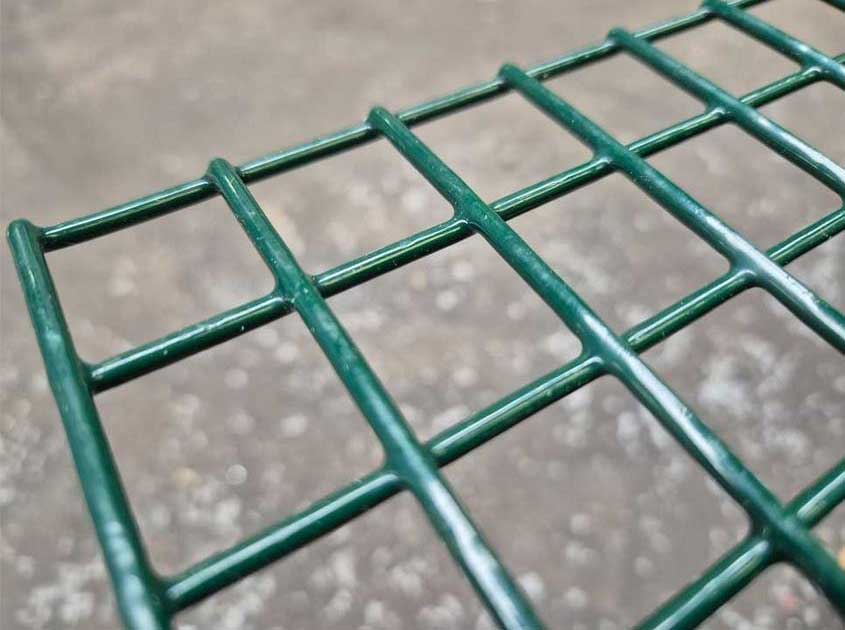
How to Select the Right Wire Diameter for Welded Wire Fence? A Practical Buyer’s Guide
Pulished on Nov. 18, 2026
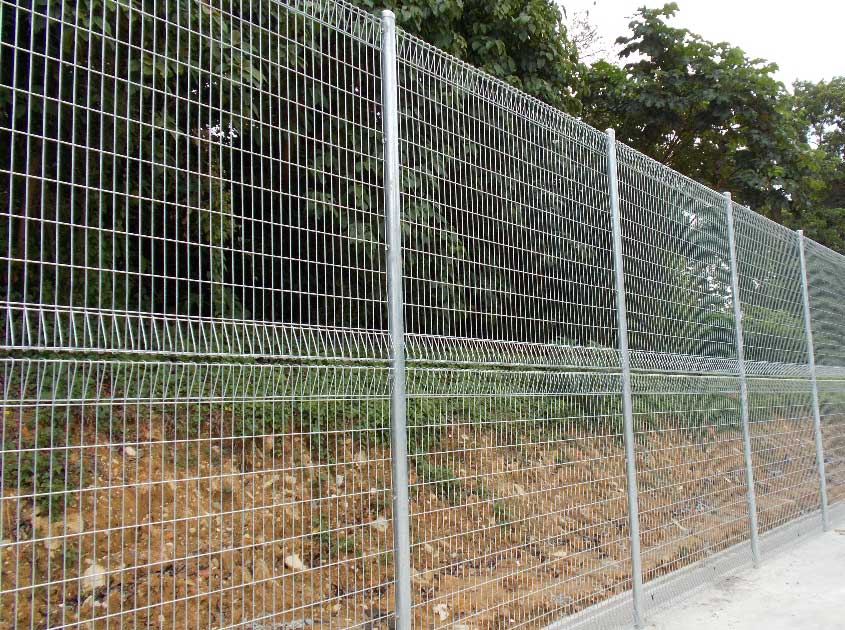
What Mesh Size Is Best for Welded Wire Fence? A Practical Selection Guide
Pulished on Nov. 09, 2026
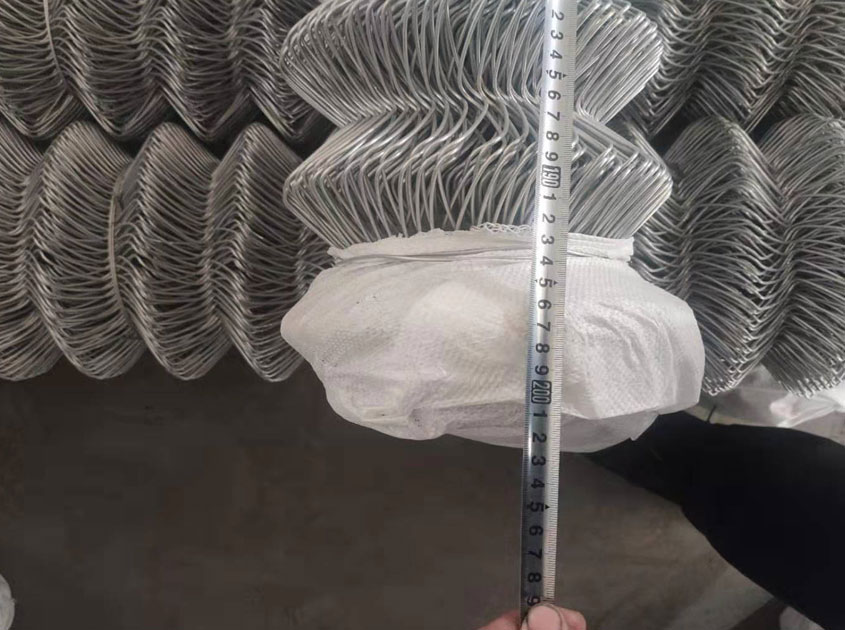
How Much Does Chain Link Fence Cost? A Complete Guide to Material Prices, Shipping and Project Costs
Pulished on Oct. 27, 2026
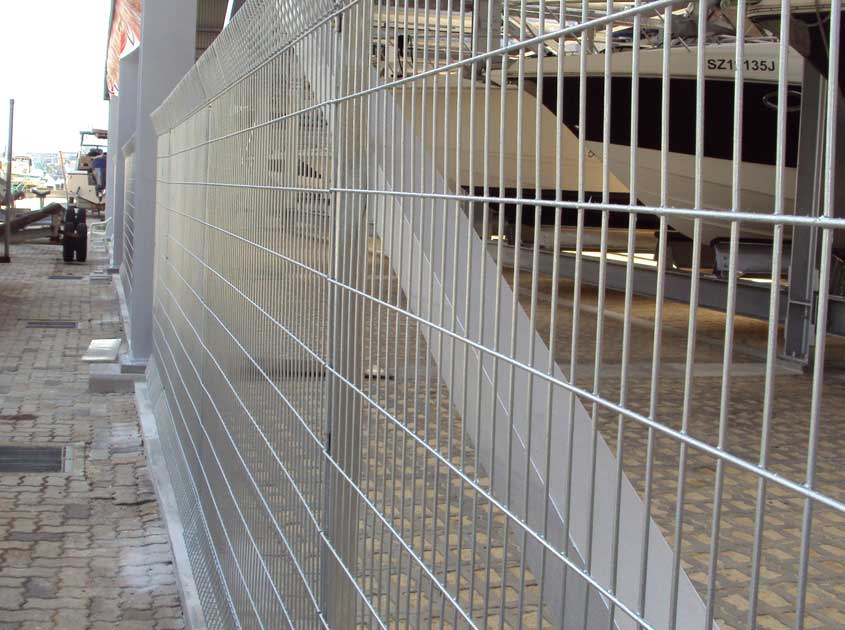
How to Install a Welded Wire Fence: A Step-by-Step Guide for Contractors
Pulished on Oct. 23, 2026
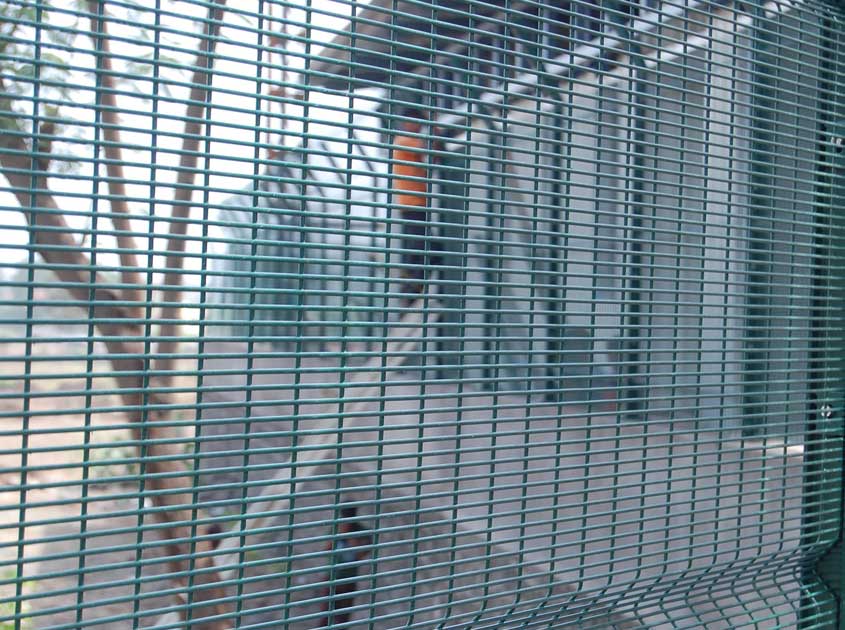
358 Fence vs Welded Wire Fence: Which Is Better for Your Project?
Pulished on Oct. 20, 2026

What Are the Advantages of Chain Link Fence? 8 Benefits for Commercial and Industrial Projects
Pulished on Oct. 16, 2026
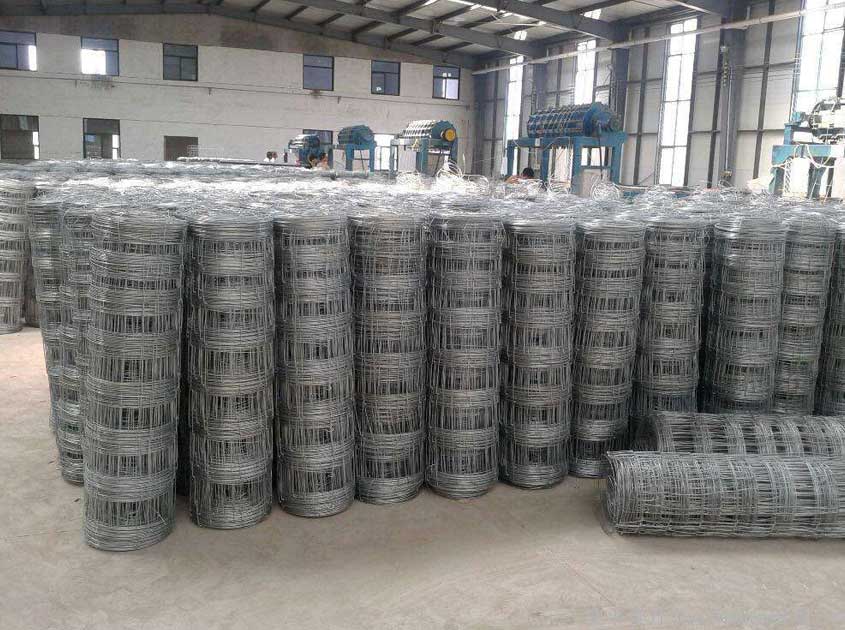
How to Choose Farm Fence for Cattle and Horses: Wire, Height and Design Guide
Pulished on Sep. 23, 2026
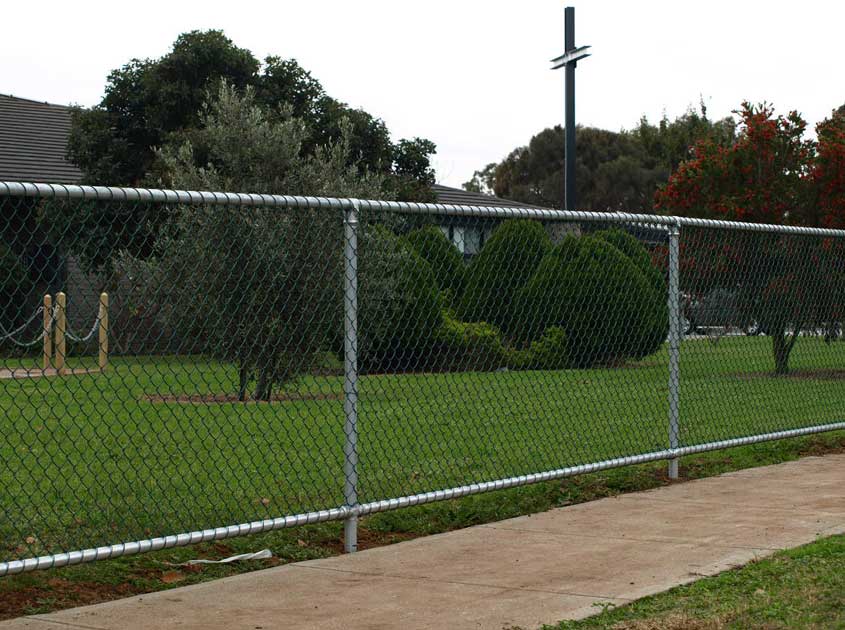
How Is Chain Link Fence Made? Manufacturing Process and Components
Pulished on Sep. 18, 2026
How to Select the Right Wire Diameter for Welded Wire Fence? A Practical Buyer’s Guide
Pulished on Nov. 18, 2026
What Mesh Size Is Best for Welded Wire Fence? A Practical Selection Guide
Pulished on Nov. 09, 2026
How Much Does Chain Link Fence Cost? A Complete Guide to Material Prices, Shipping and Project Costs
Pulished on Oct. 27, 2026
How to Install a Welded Wire Fence: A Step-by-Step Guide for Contractors
Pulished on Oct. 23, 2026
358 Fence vs Welded Wire Fence: Which Is Better for Your Project?
Pulished on Oct. 20, 2026
What Are the Advantages of Chain Link Fence? 8 Benefits for Commercial and Industrial Projects
Pulished on Oct. 16, 2026
How to Choose Farm Fence for Cattle and Horses: Wire, Height and Design Guide
Pulished on Sep. 23, 2026
How Is Chain Link Fence Made? Manufacturing Process and Components
Pulished on Sep. 18, 2026